
Ride abroad · Before you go
Horse Riding Travel Insurance
Most standard travel policies treat horse riding as a hazardous activity, so a riding holiday usually needs an activity extension or a specialist policy, and the conditions on that cover decide whether a claim is paid.
At a glance
What should you know first?
- Standard policyOften excludes horse riding, or covers it only under conditions
- Usual conditionsA riding hat, supervision, no jumping, no riding off road
- Who sells coverMainstream insurers with an activity extension, equestrian specialists and activity specialists
- Most important limitMedical repatriation, on any remote trail or safari
- Operator's insurancePublic liability for the operator, not personal cover for you
- When to arrange itBefore you pay the deposit
- Our roleWe explain what a riding week involves; insurance is sold by insurers and brokers
The cover
Does travel insurance cover horse riding?
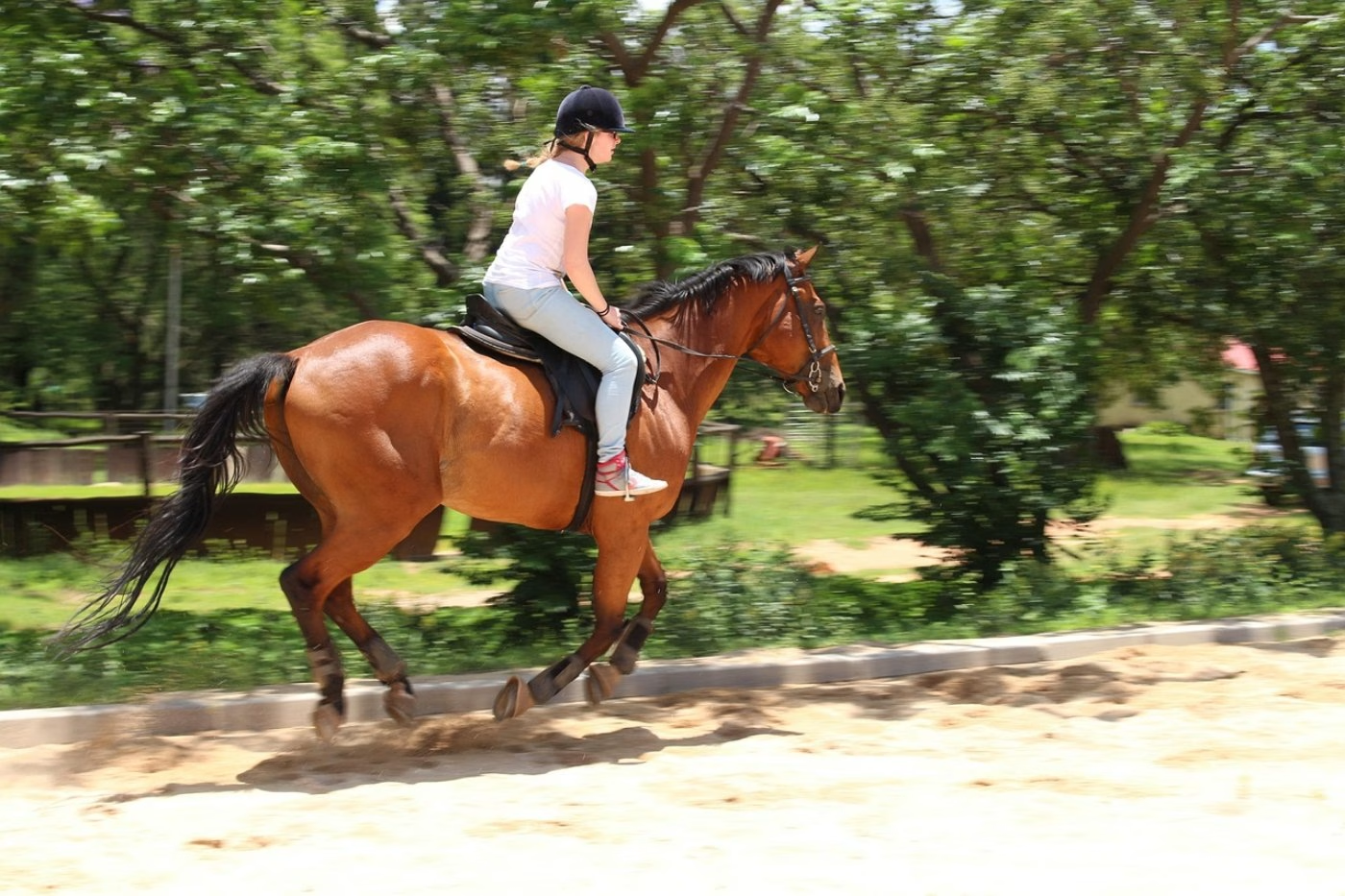
Many standard travel policies do not cover horse riding, and many that do cover it only if you wear a riding hat, ride under supervision, and stay off road and away from jumps.
A riding holiday breaks one of those conditions on most days. A trail week is ridden across open country, often at a canter, and the guide may be some distance ahead of the last rider. Read the activity list and the conditions attached to riding, not the summary page.
If riding is not named in the activity list, treat it as not covered until the insurer confirms it in writing.
The reason
Why do insurers attach conditions to horse riding?
Insurers attach conditions to horse riding because falls are not frequent but the injuries, when they happen, are often serious and costly to treat.
That is our reading of how the conditions are shaped, from keeping horses and from reading policy wordings. Each condition tries to make a fall smaller rather than rarer. A hat protects the head, supervision puts help close by, and a ban on jumping and open country keeps the speed down.
It also explains why the conditions sit badly with a riding holiday. Most riding weeks are built around long hours across open ground, at all paces, a long way from a road. The more remote the ride, the more the repatriation limit counts, because a rider hurt on a trail in Iceland or a safari in Botswana may need a helicopter or a light aircraft before a hospital.
The clauses
What should you check in a riding holiday insurance policy?
Check six clauses in the wording offered: whether riding is named, the hat condition, off-road and unsupervised riding, jumping, the medical repatriation limit and personal liability.
Riding named
Riding hat
Off road and unsupervised
Jumping
Medical repatriation
Personal liability
The list below is our own, written from keeping horses and knowing what a riding week involves. It is a list of questions for the insurer, not advice on which policy to buy.
Your week
Which clause applies to your kind of riding holiday?
The clause most likely to apply depends on the week you have booked: supervision for a centre-based week, off-road riding for a trail, and repatriation for a safari.
Name the kind of week to the insurer in plain words, such as trail riding or riding safari, and keep the answer in writing.
The enquiry
What should you tell the insurer about a riding holiday?
The insurer needs to know where the riding takes place, how many hours a day, at what paces, and whether any of it is off road, unsupervised or over jumps.
A short written description of the week is the clearest record. The ride page from the operator usually holds most of it: the country, the number of riding days, the hours in the saddle, the level asked for and the kind of ground.
The insurer's reply belongs with the booking papers. If a claim is ever made, the written answer about trail riding or a riding safari is the part of the file that counts.
The operator
Does the riding operator's insurance cover you?
No, not in the way most guests assume, because an operator's public liability insurance protects the operator when the operator is at fault.
It is not personal accident cover for the guest, and it will not pay to fly anyone home after a fall. Those needs sit on the rider's own policy.
At enquiry stage, ask the operator what their cover does for a guest. A good operator answers plainly and tells you to arrange your own.
Providers
Who sells horse riding travel insurance?
Three kinds of provider sell cover for riding abroad: mainstream travel insurers with an activity extension, equestrian specialists, and activity and liability specialists.
Mainstream travel insurer
Equestrian specialist
Activity and liability specialist
Comparison site
No provider is named or recommended here, and Equine Escapes has no arrangement with any of them.
The right policy varies with the destination, the way of riding and the rider, so that question belongs with the insurer or a broker.
Timing
When should you arrange insurance for a riding holiday?
Arrange it before the deposit is paid, because the answer can change which week you book.
If trail riding cannot be covered at an acceptable price, it is better to learn that while a centre-based week is still an option. Some operators also ask for your policy details before you arrive.
Horse insurance covers the horse, not the rider, and a rider policy covers the rider, not the horse. A rider taking their own horse needs both, and the horse's travel papers sit outside either.
Common questions
Questions about riding holiday insurance
Does standard travel insurance cover horse riding?
Often not. Where it does, the cover usually carries conditions: a riding hat, supervision, no jumping and no riding off road. Read those conditions against the week you have booked.
Is horse riding a hazardous activity for travel insurance?
Most travel insurers list horse riding as an adventurous or hazardous activity, so it usually needs an extension or a specialist policy rather than being included as standard.
Does the riding operator's insurance cover me?
Not as personal cover. An operator's public liability insurance responds when the operator is at fault. It does not pay for your treatment or bring you home after a fall.
Do I need a riding hat for my insurance to be valid?
Some policies make a riding hat a condition of cover, and some operators abroad do not require one. If your policy carries that condition, wear a hat on every ride and take your own so that it fits.
What cover do I need for a riding safari?
Cover that names riding off road and carries a medical repatriation limit high enough to bring you home from remote country. That is usually a specialist or extended policy.
Does my horse insurance cover me on holiday?
No. Horse insurance covers the animal and rider insurance covers you. If you take your own horse abroad, you need both, and neither covers the horse's travel papers.
Where to go next
Where next
Tell us how you ride
Tell us your level, your dates and where you have in mind, and we will point you to the ride that fits.