
Horse holidays abroad · Portugal
Horse Riding in Portugal: Lusitano Trails in the Alentejo and Ribatejo
Horse riding in Portugal is done on Lusitano horses, on trails through the Alentejo and Ribatejo or at a riding centre near Santarém, on trips of 3 to 7 nights.
- Best monthsApr, May, Sep, Oct
- Level
Novice to expert - Typical trip3 to 7 nights
- Price guide
Higher
At a glance
What does a riding holiday in Portugal involve?
- Best monthsMarch to October; April, May, September and October on most trails
- Riding level
Confident at walk, trot and canter for trails; any level at a riding centre - Hours in the saddle4 to 6 hours a day on a trail; 1 or 2 lessons a day at a centre
- Typical trip5 to 7 nights on a trail; 3 or 7 nights at a riding centre
- Weight limit85 to 88kg on trails; 95kg at the riding centre near Santarém
- Group sizeUp to 10 riders; 3 to 6 on the Ribatejo trails
- HorsesLusitanos and Lusitano crosses, about 15.1hh to 16.2hh
- TackPortuguese or military saddles with sheepskin on some trails; English on others
- AccommodationFarmhouses, quintas and small hotels, most with a pool
- Price guide
Higher for this kind of holiday, per person, before flights
The riding
What is horse riding in Portugal like?
Horse riding in Portugal means riding a Lusitano, either on a trail through open farmland or at a centre where you mix lessons with rides out.
The Alentejo
The Ribatejo
Riding centres
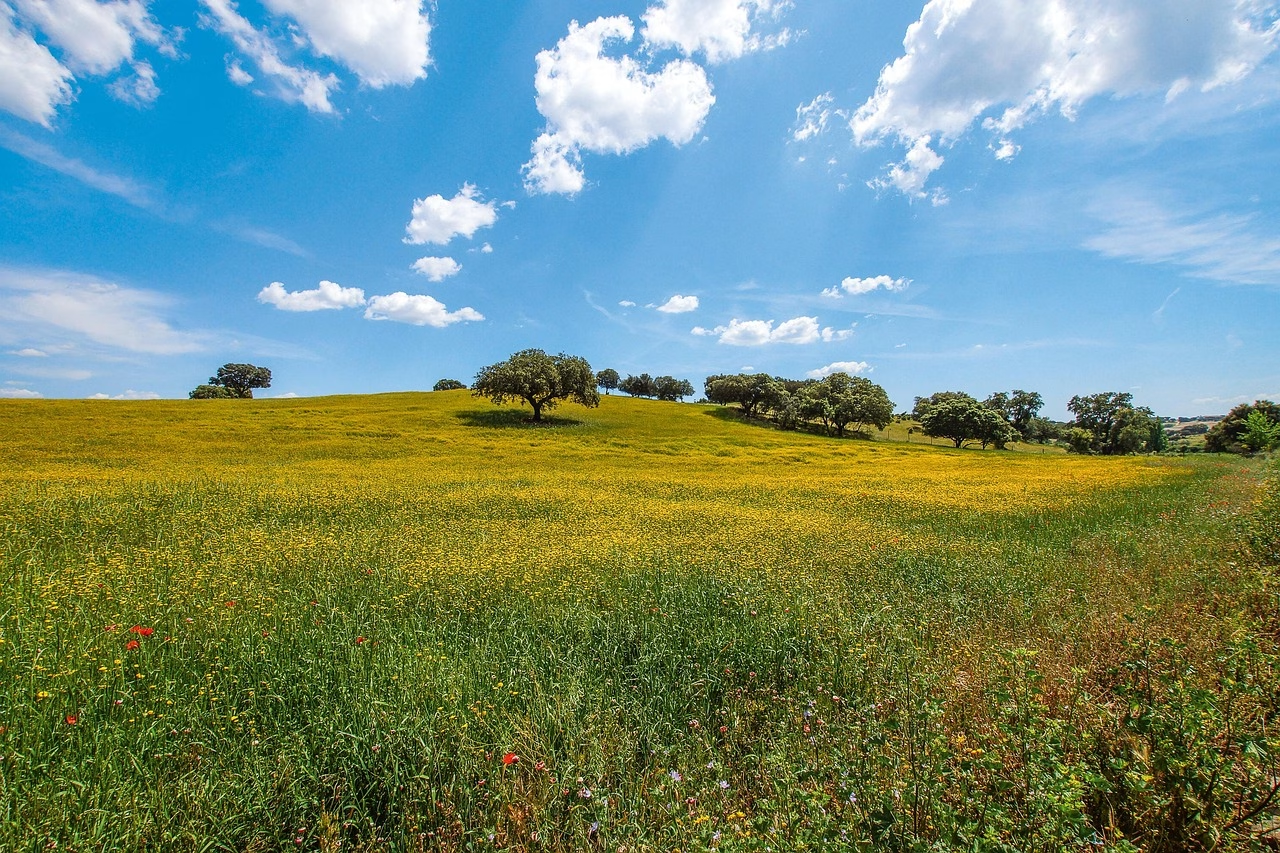
The Alentejo lies east and south of Lisbon. The trails there cross open farmland with long canters, and some routes reach the Atlantic coast.
The Ribatejo lies around Santarém, north-east of Lisbon. Trails there run for 5 or 6 nights between quintas, with 4 to 6 hours in the saddle each day.
At a riding centre you ride one or two lessons a day, in dressage or jumping, and can add hacking and working equitation exercises.
When to go
When is the best time to ride in Portugal?
The best time to ride in Portugal is spring and autumn, with most trails running from March to October and the busiest dates in April, May, September and October.
- Jan
- Feb
- Mar
- Apr
- May
- Jun
- Jul
- Aug
- Sep
- Oct
- Nov
- Dec
June to August is high season on the Alentejo trails. It is also the hottest time of year, so you need to be fit enough for long canters in the heat.
The National Horse Fair at Golegã runs every November and draws thousands of visitors to see Lusitano horses shown and ridden. A riding centre near Santarém is open all year and makes a good base for the fair.
Your level
What riding level do you need for Portugal?
You need to be confident at walk, trot and canter for any of the trails, and a riding centre takes riders at every level from beginner upwards.
Novice
Intermediate
Experienced
It suits you if
- You want to ride a schooled, responsive horse
- You want lessons in dressage or working equitation
- You are fit enough to canter for long stretches in warm weather
It is not for you if
- You weigh more than 88kg and want a trail
- You want to ride in the cool of a northern summer
- You want a fast, flat-out gallop every day
The trails ask for 4 to 6 hours a day, sometimes with a gallop, and on some routes you tack up your own horse. The weight limit is 85 to 88kg on the trails and 95kg at the riding centre near Santarém.
The horses
What are the horses and tack like in Portugal?
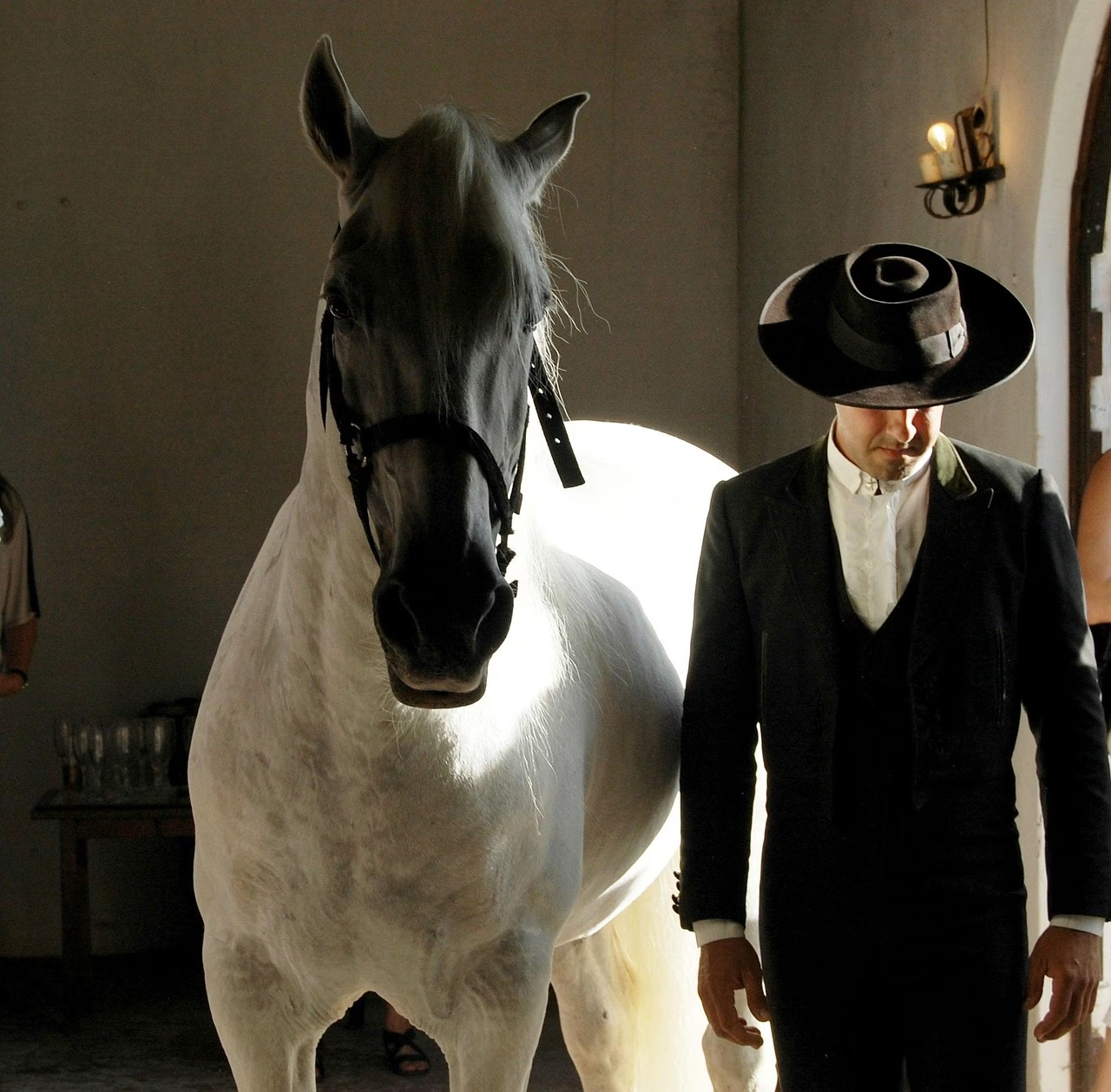
Almost every riding holiday in Portugal is on the Lusitano, the native Portuguese horse, closely related to the Spanish Andalusian.
The Lusitano is usually grey, bay or chestnut, and stands about 15.2hh to 15.3hh, with trail horses up to 16.2hh. It is powerful and intelligent, with elevated paces that are comfortable to ride, and it is used for classical dressage and mounted bullfighting.
On the Ribatejo trails you ride in traditional Portuguese saddles with a deep seat, a high pommel and cantle, and a sheepskin pad. Other routes use military saddles with sheepskin, or English saddles.
Where you stay
Where do you stay on a riding holiday in Portugal?
You stay in converted farmhouses, quintas and small country hotels, and almost all have a swimming pool.
On a trail you move between two or more of them, with rooms that have a private bathroom. At the riding centre near Pego you stay in a modern guest house or a private cottage for the whole week.
The cost
How much does a riding holiday in Portugal cost?
A riding holiday in Portugal is a higher price, like most riding weeks, whether you choose a week at a riding centre or a week on a trail, before flights.
Riding centre week, dressage and jumping
Price guide
Higher
Alentejo trail, low season
Price guide
Higher
Alentejo estate trail
Price guide
Higher
Ribatejo Lusitano trail, Atlantic coast
Price guide
Higher
Rides we can arrange
Which rides do we recommend in Portugal?
We know horses, and we know the people who run these rides. Tell us how you ride and where you want to go, and we will put you with the right one.
Alentejo estate trail
Six riding days from Fronteira on Lusitanos of about 16hh, in military saddles, staying at a country house and a hotel with a spa.
Alentejo trail
Circular and linear routes through the Alentejo towards the coast, on calm, well schooled Lusitanos in English tack, from February to November.
Ribatejo Lusitano trail
Trails between quintas in the Ribatejo on Lusitanos and Lusitano crosses, in traditional Portuguese saddles, in groups of 3 to 6.
Riding centre week near Pego
A riding centre near Pego with Lusitanos for dressage and warmbloods for jumping, open all year, with working equitation exercises on offer.
Only here
What is working equitation, and can you try it in Portugal?
Working equitation is a competition drawn from the traditional working riding of several countries, and you can learn it on a Lusitano at a Portuguese riding centre.
A competition has three parts, dressage, ease of handling and speed, with a cattle phase for teams. In the handling and speed phases the horse and rider tackle obstacles found in farm work, such as gates and bridges.
A lesson week usually starts with dressage and moves on to the obstacles as you progress. You ride in a Portuguese saddle, and some centres teach no more than two riders at a time.
Common questions
Portugal riding questions
What is the difference between a Lusitano and an Andalusian?
They share the same Iberian ancestry. The Lusitano usually has a more sloping croup, a lower-set tail and a more convex head.
Can beginners go horse riding in Portugal?
Yes, at a riding centre, where lessons take riders from beginner to advanced. The trails ask for a rider confident at walk, trot and canter.
What is the weight limit for riding in Portugal?
The trails set 85 to 88kg. The riding centre near Santarém takes riders up to 95kg.
When is the Golegã horse fair?
The National Horse Fair at Golegã runs every November, over about ten days.
What saddle do you ride in on a Portuguese trail?
The Ribatejo trails use traditional Portuguese saddles with a deep seat and a sheepskin pad. Other routes use military saddles or English saddles.
Is Portugal a good first riding holiday abroad?
A riding centre week is a good first trip, because the lessons suit any level and the horses are well schooled.
Where to go next
Nearby, and next
Tell us how you ride
Tell us your level, your dates and the country you have in mind, and we will point you to the ride that fits.