
Horse riding · Scotland
Horse Riding in Argyll and Bute
You ride Argyll and Bute on forest roads, farm tracks and shore paths between sea lochs, with island beaches beyond. The ground is hilly and often wet, so it suits confident riders.
At a glance
The short answer
- Best monthsMay to Sep
- Riding level
Confident to expert: hill tracks, wet ground and some rough going - TerrainForest roads, farm tracks, shore paths and island beaches
- Where to rideCowal and Argyll Forest Park, Kintyre, Loch Fyne, the islands
- AccessRight of responsible access under the Land Reform (Scotland) Act
- Long-distance routeKintyre Way, 100 miles, Tarbert to Machrihanish, in part
- Stay with your horseCheck stabling or turnout, grazing and lorry parking before you book
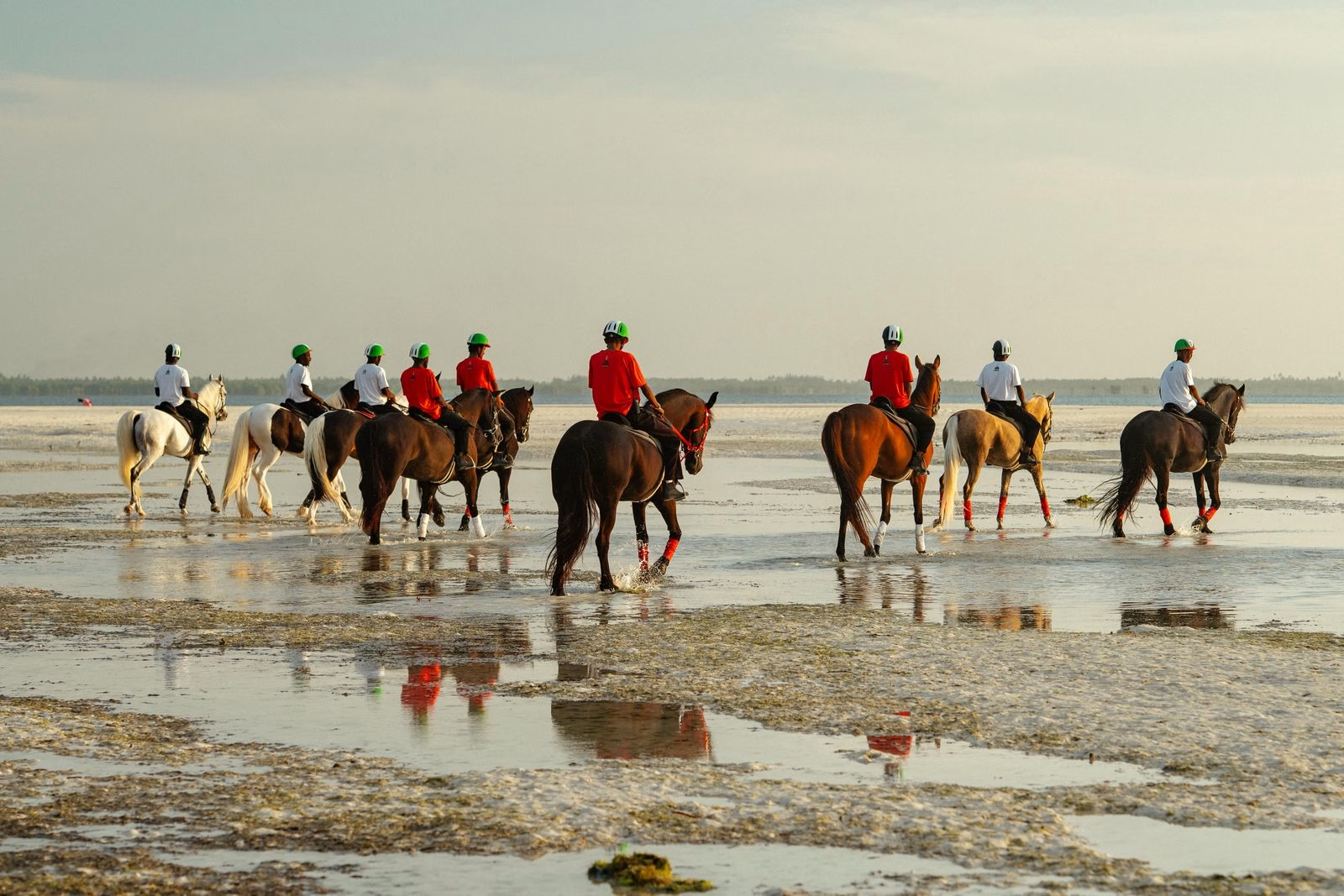
Where to ride
Where to ride in Argyll and Bute
You can ride on forest roads, farm tracks and shore paths in Argyll and Bute, on the Cowal and Kintyre peninsulas and, with a ferry, on the islands.
Argyll Forest Park lies in Cowal, inside the Loch Lomond & The Trossachs National Park, and runs from the Holy Loch to the Arrochar Alps. Forestry and Land Scotland calls it Britain's oldest forest park, set up in 1935, and describes craggy peaks, hidden glens and sea lochs.
The Kintyre Way follows forest roads and farm tracks for much of its 100 miles between Tarbert and Machrihanish, and the Cowal Way crosses Cowal for 57 miles. Both are long-distance paths, and you can ride parts of them.
On the islands, NatureScot says that Tiree is among the places where machair is best developed. Machair is low-lying, sandy coastal grassland and one of Europe's rarest habitats, so you should treat it with care.
The National Park Authority also waymarks ten riding routes near Drymen, Aberfoyle and Callander, with horsebox parking. They lie just beyond the area and suit a day ride on the way in.
Rights and rules
The rules for riding in Argyll and Bute
The rules are the Scottish ones. The Land Reform (Scotland) Act gives everyone a right of responsible access, and the Scottish Outdoor Access Code says that access rights extend to horse riding.
The Code says riding on wide paths, tracks and well-drained ground causes few problems. If you ride off the path in winter, it asks you to avoid wet, boggy or soft ground and not to churn up the surface.
Access rights do not apply to houses and gardens, or to land in which crops are growing. The Code asks you to keep to a walk near livestock and to stay out of fields with grazing horses or animals that might be a danger. You need permission for repetitive schooling, jumps or gallops on someone else's land.
Argyll and Bute Council describes the right as responsible non-motorised access and points riders to the Code. Inside the National Park, the Park Authority is the access authority, and its Local Access Forum includes horse riders.
On the coast, the British Horse Society says that in Scotland most beaches are open to non-motorised users. It advises you to check tide times, to expect byelaws on some beaches and to scoop droppings, and it notes that ground-nesting birds may be present from March to July.
In forests, access may be suspended during timber felling only while work is underway, and the British Horse Society Scotland advises high-visibility clothing near shooting or felling.
Long-distance routes
The Kintyre Way and the Cowal Way
You can ride parts of both, but neither suits a horse from end to end, so you plan around the obstacles.
Kintyre Way
Cowal Way
West Highland Way
British Horse Society Scotland notes say the Kintyre Way was developed as a walking route, yet much of it follows forest roads and farm tracks suited to multi-use. They list kissing gates, stiles, cattle grids and steps, a stretch beside the busy A83 between Clachan and Tayinloan, and a rocky shore beyond Ballochroy, as far as Rhunahaorine Point, that a horse cannot pass.
The notes say most of the Cowal Way now suits multi-use. A few sections do not, among them the section that starts at Glen Caladh, which is impassable by horses because of aerial boardwalks, steep burn crossings and steps.
The West Highland Way's own website lists the section from Bridge of Orchy to Inveroran as suitable for horse riders. Each set of notes leaves you to judge which sections suit your own horse and ability.
Riding level
Which riders Argyll and Bute suits
Argyll and Bute suits confident to expert riders. The tracks climb, the ground is wet for much of the year and several routes have obstacles a horse cannot pass.
It suits you if
- You are a confident rider, comfortable on hill tracks and wet ground
- You can plan a route around gates, steps and busy roads
- You enjoy a beach or forest ride and can judge the tide and the footing
It is not for you if
- You want level, enclosed ground with no climbing
- You expect a waymarked long-distance route to be rideable from end to end
- You have never ridden a horse on a beach or in open country
If you are newer to riding, you can ride on a hired horse with a local yard on forest and shore rides. Licensed riding schools and trekking centres in the area can tell you which of their rides suit a first-timer.
When to go
When is the best time to ride in Argyll and Bute?
May to September suits Argyll and Bute. The Met Office says spring and early summer are normally the driest part of the year in western Scotland, especially April to June.
Autumn and early winter are the wettest seasons, especially October to January, and the Met Office calls west Scotland one of the more exposed areas of the UK because it is close to the Atlantic. Kintyre is among the sunniest parts of the region. Snowfall is normally confined to November to April.
VisitScotland says the midge season typically runs from May to October and peaks in mid-summer, mainly in the west Highlands and islands, and that ticks are present all year. You may want to ride away from the early morning and evening on calm, damp days.
If you plan a beach ride, note that the British Horse Society gives March to July as the time when ground-nesting birds may be present. Keep well clear of nesting areas.
Your own horse
Can you take your own horse to Argyll and Bute on holiday?
Yes, and access rights apply to you as a visiting rider in the same way as to a local, so your planning is about the haul and the stay.
We keep three horses of our own at Noonvares Farm in Cornwall. Before one of them travels anywhere we settle where it will sleep, what it will graze or eat, whether the fencing is sound and whether a lorry can reach the yard and turn. A trip to the islands adds a ferry, so ask the operator whether horses travel and on what terms before you book anything else.
The Scottish Government says every horse, pony and donkey must have a passport and that it should stay with the animal at all times, so your passport travels in the lorry. Check that your insurance covers riding away from home.
The Scottish Government's biosecurity guidance for keepers is to take your own buckets, wash your hands after handling other horses and clean your boots and outer clothing afterwards. A question about vaccination or a long haul is one for your vet, because a vet decides for an individual horse.
If you park away from home, the Code asks you not to block tracks or field entrances. Forestry and Land Scotland asks you to take horse dung home from its car parks.
Common questions
Questions about horse riding in Argyll and Bute
Can you ride on beaches in Argyll and Bute?
Generally yes. The British Horse Society says most beaches in Scotland are open to non-motorised users. Check the tide, look for byelaws on the beach you choose and keep clear of ground-nesting birds, which may be present from March to July.
Can you ride the whole Kintyre Way?
Not without detours. The British Horse Society Scotland notes say much of the 100 miles follows forest roads and farm tracks, but they list gates, stiles, steps, a busy road stretch and a rocky shore beyond Ballochroy that a horse cannot pass.
Is there riding inside Loch Lomond and The Trossachs National Park?
Yes. Argyll Forest Park lies in Cowal within the National Park, and access rights apply across it. The Park Authority also waymarks ten riding routes near Drymen, Aberfoyle and Callander, with horsebox parking.
What is machair?
NatureScot describes machair as low-lying, sandy coastal land shaped by wind, rain and grazing animals, found in north-west Scotland and Ireland. Tiree is among the places where it is best developed, and it is one of Europe's rarest habitats.
Which months have the least rain in Argyll and Bute?
The Met Office says spring and early summer are normally the driest part of the year in western Scotland, especially April to June. Autumn and early winter are the wettest, especially October to January.
Do access rights let you ride across any field?
No. They do not cover houses and gardens or land where crops are growing, and the Code asks you to stay out of fields with grazing horses or animals that might be a danger.
Where to go next
Where next
Ride in Argyll and Bute
Tell us your dates and your level, and we will point you to the right ride in Argyll and Bute for you.